
 English
 Русский
 Español
 Français
 Deutsch
 Italiano
 Português
Best Time to Visit Turkey

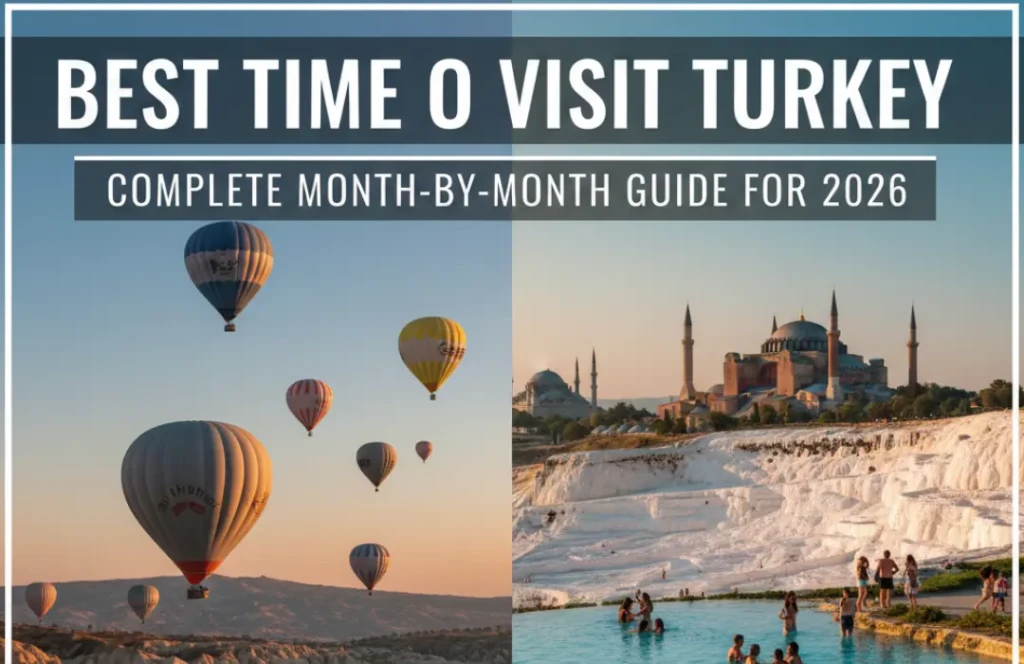
Best Time to Visit Turkey: Complete Month-by-Month Guide for 2026
Look, I'm gonna be honest with you—there's no single "perfect" time to visit Turkey. After organizing 500+ tours since 2018 and personally visiting Turkey in all 12 months, I've learned that the
best time to visit Turkey completely depends on what you want to experience. Some people love the heat and beaches of summer, while others prefer wandering Istanbul's mosques in crisp autumn air.
Here's what matters: Turkey's climate varies dramatically by region. The Mediterranean coast enjoys mild winters and scorching summers. Cappadocia sees snow-dusted fairy chimneys in January and blistering heat in August. Istanbul sits right in the middle—four distinct seasons, each with its own charm.
So whether you're planning a week exploring ancient ruins or a longer journey through multiple regions, understanding Turkey weather by month will help you pack right, budget smart, and avoid the worst crowds. Let me walk you through each month based on real experience, not travel brochure fluff.
Understanding Turkey's Climate and Seasons
Turkey spans three climate zones, which is why your cousin loved visiting in July while your coworker froze in February. The coastal Mediterranean regions stay warm year-round—Antalya barely dips below 15°C even in winter. The Aegean coast (think Izmir, Bodrum) is slightly cooler but still mild.
Central Anatolia, where Cappadocia sits, gets proper winters with snow and summers that'll make you question your life choices. Istanbul and the Marmara region? Four distinct seasons. Spring (April-May) and autumn (September-October) are genuinely perfect—not too hot, not too cold.
Quick tip: The Black Sea coast in the north stays rainy and green all year. Beautiful, but bring a jacket even in summer. Most American and European tourists stick to the south and west, which makes sense—that's where the best weather and historic sites cluster together.
January in Turkey: Winter Adventures
Weather and Temperature in January
January is cold. Istanbul averages 5-9°C with about 13 rainy days—gray skies, occasional snow, the works. Cappadocia drops to -5°C at night, and those fairy chimneys look magical dusted with snow, but you'll want thermals. Antalya stays mild at 10-15°C, which is why smart travelers head south.
Best Destinations in January
Skip Istanbul unless you love winter vibes and empty museums. Head to the Mediterranean coast instead—Antalya, Side, and Alanya offer pleasant days for exploring ruins without sweating. I took a group to Aspendos Theater in January 2023, and we had the place almost to ourselves. The ancient stones, the quiet, the mild sun—honestly unforgettable.
Pamukkale's thermal pools feel incredible in cold weather. Steam rising off those white terraces with mountains in the background? That's worth the winter trip alone.
Crowds and Pricing in January
Tourist numbers drop 70% below peak season. Hotel prices in Istanbul fall by 40-50% compared to summer—we're talking 4-star hotels for $50-70/night. Flights from Europe are dirt cheap. January is budget traveler heaven, just bring layers.

February: Late Winter Travel
Weather Conditions in February
February's marginally warmer than January but still jacket weather. Istanbul sees 6-10°C with 11 rainy days. The wind off the Bosphorus cuts right through you. Cappadocia remains freezing—those balloon rides happen less frequently due to weather, which disappointed a couple from Texas on our February 2024 tour.
But here's the thing—southern Turkey starts warming up. Antalya reaches 12-17°C. You can walk the Lycian Way coastal sections comfortably, and orange trees are blooming across the Mediterranean region.

Where to Go in February
Stick to the coast. Kas, Kalkan, and Fethiye offer beautiful hiking weather. The Turquoise Coast lives up to its name when the winter sun hits that water. Museums and archaeological sites? Empty. We visited Ephesus with eight people total wandering those marble streets.
February Travel Costs
Still cheap—about 45% below July prices for accommodations. Car rentals are affordable, and restaurants in tourist areas practically beg for customers. If you dont mind cooler weather, your money goes incredibly far in February.
March: Spring Awakening
Turkey Weather in March
Now we're talking. March marks the real transition—Istanbul warms to 8-13°C, and suddenly there's actual sunshine. Cappadocia thaws out (0-10°C), and balloon flights resume their daily schedule. The south? Already hitting 15-20°C. Wildflowers blanket the countryside.
Rain still happens—about 9 days in Istanbul, 7 in Antalya—but it's not the dreary winter drizzle anymore. Quick spring showers that clear up fast.
March Destinations
March opens up the country. Istanbul's Tulip Festival starts late month, and Emirgan Park explodes with color. Cappadocia becomes accessible again—those sunrise balloons against clear skies are absolutely worth the early wake-up.
The Aegean coast wakes up too. Izmir, Cesme, and Bodrum start their season. Beach clubs aren't open yet, but walking historic sites without summer's oppressive heat feels luxury.
Tourist Numbers in March
Crowds remain 50% below peak summer levels. Prices start creeping up—maybe 20-30% more expensive than winter, but still reasonable. March hits that sweet spot where the weather's improving but the masses haven't arrived yet.
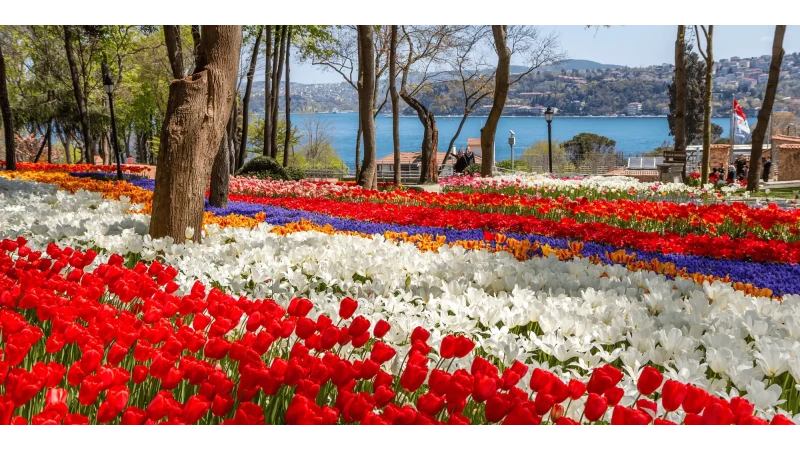
April: Perfect Spring Weather
April Weather Across Turkey
April is honestly one of my favorite months. Istanbul sits at a perfect 11-17°C with only 8 rainy days. Cappadocia ranges from 5-15°C—ideal for hiking through valleys without overheating. The Mediterranean coast? Already beach weather at 16-21°C, though the water's still chilly.
Everything's green and blooming. The Lycian Way trail conditions are perfect. Ancient ruins aren't baking yet. You can explore Ephesus Library facade at noon without feeling like you're melting.
Best Places for April
Everywhere works in April, but if you've got limited time, prioritize Istanbul, Cappadocia, and the Aegean coast. We've been running a
week-long route through Turkey's highlights during this time since 2019, and it never disappoints—the weather's perfect for exploring Istanbul's mosques, Cappadocia's valleys are blooming, and Ephesus isn't overwhelmingly hot yet.
Pamukkale's terraces photograph beautifully under April's clear skies. And Istanbul? The city just comes alive—outdoor cafes open, Bosphorus cruises resume, locals fill the parks.
April Travel Considerations
Tourist season officially begins, so book accommodations in advance. Prices sit about 30% below summer peaks—still reasonable. Crowds are manageable, maybe 50% of July-August levels. Easter can spike prices and crowds if it falls in April, so check dates.

May: Peak Spring Season
May Weather Patterns
May delivers consistently gorgeous weather. Istanbul averages 16-22°C—warm days, cool evenings, minimal rain (6 days). Cappadocia hits 10-20°C, perfect for outdoor adventures. The coast? Beach-ready at 20-26°C, and the Mediterranean Sea finally warms enough for comfortable swimming.
This is peak spring. Sunshine dominates. Morning hot air balloon rides over Cappadocia offer crystal-clear visibility. The countryside's still green before summer burns it golden.
May Destinations
Everything's accessible and beautiful. Istanbul's at its finest—outdoor dining along the Bosphorus, sunset views from Galata Tower, wandering the Grand Bazaar without sweating through your shirt. Cappadocia's red and rose valleys burst with wildflowers.
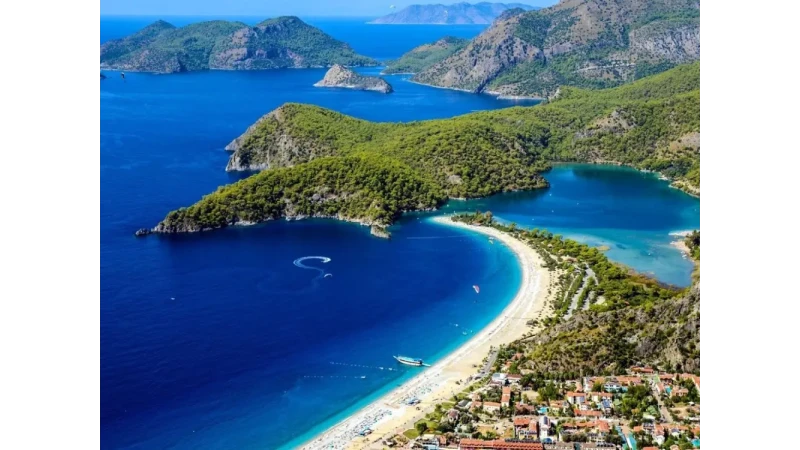
Beach towns start buzzing. Bodrum, Fethiye, and Kas open fully. You get the advantage of warm weather without July's crushing crowds. A couple from Oregon told us last May that Oludeniz Beach felt like paradise—turquoise water, white sand, and actual space to put down a towel.
Crowds and Costs in May
Tourist numbers climb to about 70% of summer peak. Popular sites get busy during midday, so visit early or late. Hotel prices rise to about 20% below summer rates. Book ahead—May's popular with Europeans taking advantage of warmer weather and school holidays.
June: Early Summer Heat
June Temperature Trends
Summer arrives. Istanbul climbs to 20-27°C with virtually no rain (4 days). Cappadocia reaches 15-27°C—those midday valley hikes get sweaty. The Mediterranean coast? Hot at 24-31°C. Beach weather for sure, but ancient ruins become challenging to explore after 11am.
The Aegean and Mediterranean seas warm to 22-24°C—perfect for swimming. Sunshine's guaranteed, which sounds great until you're standing in line at Hagia Sophia at 2pm with zero shade.
Where to Visit in June
June favors beach destinations. The Turkish Riviera shines—Antalya, Kas, Kalkan, Fethiye offer stunning coastlines and comfortable water temps. Boat tours around the Turquoise Coast are spectacular.
Istanbul remains doable if you plan smart. Visit indoor attractions during peak heat (Topkapi Palace, Basilica Cistern), save outdoor sites for morning or evening. Cappadocia's still pleasant for early morning balloon rides, but avoid midday hiking.
June Travel Dynamics
High season begins. Tourist crowds reach 85% of peak August levels. Prices rise—expect to pay 10-15% less than July-August, which isn't much savings. Popular hotels and tours book out weeks in advance. June works best for travelers prioritizing beach time over cultural sightseeing.
July: High Summer Season
July Heat Levels
July gets brutal. Istanbul hits 23-29°C with humidity that makes it feel worse. Cappadocia? A baking 18-32°C—those fairy chimneys aren't romantic when you're dripping sweat. The Mediterranean coast reaches 27-34°C. Ephesus becomes an actual oven by noon.
Rain's basically nonexistent (2 days max anywhere). The countryside turns golden-brown. Early morning or sunset becomes your only comfortable exploration window for ruins and historic sites.
Best July Activities
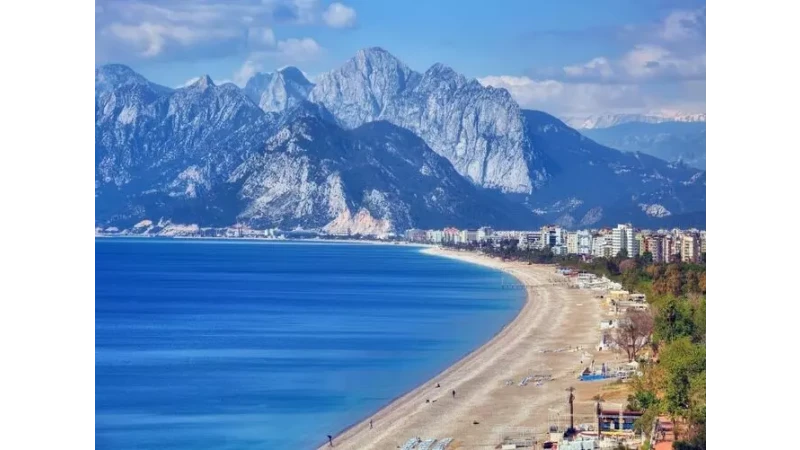
Beach life dominates. The Mediterranean and Aegean seas reach peak warmth at 25-27°C. Every coastal town pulses with activity—beach clubs, boat parties, water sports. If you're here for sun and swimming, July delivers.
For cultural sites? Visit at sunrise or after 5pm. We ran a tour to Ephesus in July 2022 where we started at 7am, and even then it was pushing 28°C by the time we finished. One woman from England nearly passed out—bring serious hydration.
July Crowds and Prices
Peak season chaos. Tourist numbers max out—expect long lines everywhere. Hagia Sophia? 2-hour wait. Blue Mosque? Packed. Hotel prices hit their highest—we're talking $150-200+ for mid-range Istanbul hotels. Everything costs more in July. Book months ahead or pay premium last-minute rates.

August: Peak Tourist Month
August Weather Extremes
August is July's hotter, more crowded cousin. Istanbul stays 23-30°C. Cappadocia peaks at 18-33°C—balloon companies sometimes cancel afternoon flights due to heat. Southern Turkey? Regularly hits 35°C+. Walking tours become endurance tests.
The good news: perfect beach weather continues. Water temps stay at 26-28°C. Coastal breezes provide some relief. But inland cities? Tough.
August Travel Reality
Look, I'll be straight—August is when Turks take their holidays, plus European tourists flood in. Everywhere's packed. We took a family from California to Pamukkale in August 2023, and they couldn't even get close to the terraces for photos without strangers in every shot.
Beach resorts are at capacity. Restaurants need reservations. Historic sites overflow with tour groups. It's organized chaos.
August Pricing
Maximum prices across the board. Hotels charge 100% more than winter rates. Flights from Europe peak. Even local restaurants in tourist areas inflate prices. August is expensive, crowded, and hot—only visit if your schedule demands it or you're purely here for beach partying.
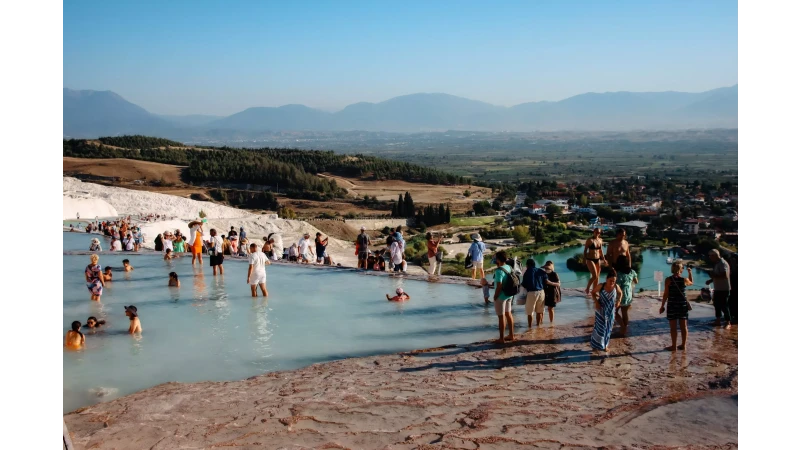
September: Ideal Autumn Weather
September Climate Conditions
September brings relief. Istanbul cools to 19-26°C—warm but not oppressive. Cappadocia drops to 13-27°C, making hiking pleasant again. The coast remains hot at 23-31°C, but the edge is off. Rain returns slightly (4-5 days), but mostly light showers.
The Mediterranean Sea stays perfectly warm at 25-27°C. You get summer's benefits—beach weather, long days, outdoor dining—without summer's downsides.
September Destinations
September works everywhere. Istanbul becomes enjoyable again—walking the city doesn't feel like punishment. Cappadocia's valleys offer stunning hikes under clear autumn skies. The coast? Still beach-perfect.
We love running tours in September. The light's different—softer, golden. Photos of Cappadocia's rock formations look incredible. Ancient ruins at Ephesus and Pergamon are comfortable to explore without melting.
September Travel Advantages
Tourist numbers drop immediately after kids return to school. By mid-September, crowds fall to about 60% of August levels. Prices decrease 15-20% from summer peaks. Hotels have availability again. September is basically May's autumn equivalent—excellent weather, fewer tourists, reasonable costs.
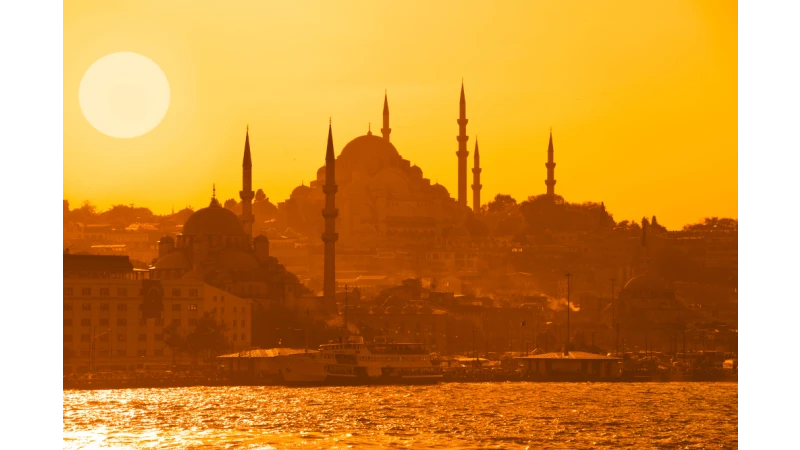
October: Golden Fall Season
October Weather Overview
October delivers perfect touring weather. Istanbul sits at 15-21°C—light jacket weather. Cappadocia cools to 7-18°C, crisp and clear. Southern coast remains pleasant at 18-26°C, though swimming becomes hit-or-miss by month's end.
Rain increases slightly (7-8 days in Istanbul), but it's manageable. Autumn colors emerge in northern regions. The light continues that beautiful golden quality photographers love.
October Destinations
October gives you breathing room. If you have 10 days, this is when our
extended itinerary really shines—you get Istanbul, Cappadocia, Pamukkale, and the Aegean coast without summer's crowds or winter's cold. The combination of comfortable temperatures and manageable tourist numbers makes October ideal for covering more ground.
Istanbul's museums feel spacious again. Cappadocia's sunrise balloons launch against stunning autumn skies. Even popular coastal ruins like Ephesus offer elbow roo
October Value and Crowds
Tourist levels drop to about 40% of summer peak. Hotels cut prices 30-40% below July-August rates. October offers incredible value—shoulder season pricing with near-perfect weather. A solo traveler from Germany told us last October that she got a stunning boutique hotel in Istanbul's Sultanahmet for $65/night.

November: Quiet Shoulder Season
November Weather Shift
November transitions toward winter. Istanbul averages 11-16°C with 10 rainy days—bring an umbrella. Cappadocia gets cold at 2-11°C, sometimes seeing early snow. The Mediterranean coast stays milder at 14-21°C, still comfortable for sightseeing.
Days shorten noticeably. The tourist infrastructure starts winding down—some coastal hotels close until spring. Beach season officially ends, though die-hards still swim in southern regions.
November Travel Focus
November suits culture-focused travelers. Istanbul museums, palaces, and mosques are virtually empty. Hagia Sophia without crowds? November delivers. The city's restaurants and cafes remain lively—Istanbul doesn't hibernate.
Southern archaeological sites work well too. Exploring Ephesus, Hierapolis, or Side in November means comfortable temps and zero tour bus congestion. Pack layers and waterproof shoes.
November Pricing
Budget travel paradise. Hotels drop 45-50% below summer rates. Flights are cheap. Restaurants in tourist areas practically give away meals trying to attract the few remaining visitors. If weather uncertainty doesn't bother you, November offers exceptional value.

December: Winter Returns
December Weather Conditions
Winter's here. Istanbul sits at 7-11°C with 14 rainy days—dreary and damp. Cappadocia freezes at -3 to 5°C with regular snow. Balloon flights depend on weather cooperation. Antalya and the south stay reasonable at 11-17°C, the warmest option.
December brings festive atmosphere to Istanbul—Christmas markets pop up in Taksim and Beyoglu despite Turkey being predominantly Muslim. New Year's celebrations are huge across major cities.
December Travel Options
If you're visiting in December, have a plan. Istanbul works for short city breaks—cozy cafes, excellent museums, holiday atmosphere. Just accept rain as part of the experience. Cappadocia's snow-covered landscapes photograph beautifully, but outdoor activities are limited.
The Mediterranean coast offers the best weather. Antalya maintains mild temps for walking tours. However, many tourist services close for winter—fewer restaurants open, limited boat tours, some hotels shuttered.
December Costs and Crowds
Rock-bottom prices except around New Year's Eve, when Istanbul hotels spike. Tourist numbers sit 75% below summer levels. December's for budget travelers willing to sacrifice weather, or those specifically seeking winter Turkish experiences. One couple from Australia visited Istanbul in December 2023 and loved it—they said the cold made the hammams and Turkish baths feel even more luxurious.

Which Month is Right for You?
Bottom line: the
best time to visit Turkey depends entirely on your priorities. After organizing tours across all seasons since 2018, I've seen what works for different travelers.
Visit in April-May if:
You want perfect weather across all regions. You're flexible on crowds. You prefer spring blooms and green landscapes. You'll pay moderate prices for ideal conditions.
Visit in September-October if:
You want excellent weather with fewer tourists. You appreciate autumn colors and softer light. You value better prices than spring. You're the type who'd rather avoid summer's chaos.
Visit in June-August if:
Beach time is your priority. You handle heat well. You don't mind crowds. You're traveling with kids on school holidays. You want guaranteed sunshine and warm swimming.
Visit in November-March if:
Budget matters most. You prefer empty attractions. You pack layers happily. You're focused on culture over weather. You want authentic local experiences without tourist circus.
Personally? I'd choose late April or early October every time. The weather's spot-on, the landscapes are gorgeous, and you get breathing room at major sites. But I've met travelers who swore by January's empty museums and August's beach parties—it really comes down to what makes you happy.
When planning your Turkey travel itinerary, consider combining regions smartly. Pair Istanbul's culture with Cappadocia's landscapes and the coast's beaches. Stay flexible with internal flights—they're cheap and save driving time. Book accommodations early if traveling April-October, especially for Cappadocia's cave hotels.
One more thing: Turkey's tourism infrastructure is excellent year-round. Even in quiet months like January or November, you'll find quality hotels, good restaurants, and professional guides. The country knows how to take care of visitors.
Ready to plan your Turkey adventure? Whether you're drawn to spring blooms in Cappadocia's valleys, summer swimming in turquoise coves, autumn light over Istanbul's domes, or winter's quiet reflection at ancient ruins, Turkey offers something special every month. Browse seasonal itineraries that match your travel style, or reach out with questions—we've been doing this since 2018 and genuinely love matching travelers with their ideal Turkish journey.
The best month to visit Turkey? It's waiting for you—just pick the one that fits your vision of the perfect trip.
---
Last updated: December 2025
Written by Zeyvona Travel Team - TÜRSAB certified tour operators
Organizing Turkey tours since 2018 | 500+ satisfied travelers