
 English
 Русский
 Español
 Français
 Deutsch
 Italiano
 Português
Turkey in Winter: Complete Travel Guide for December, January & February

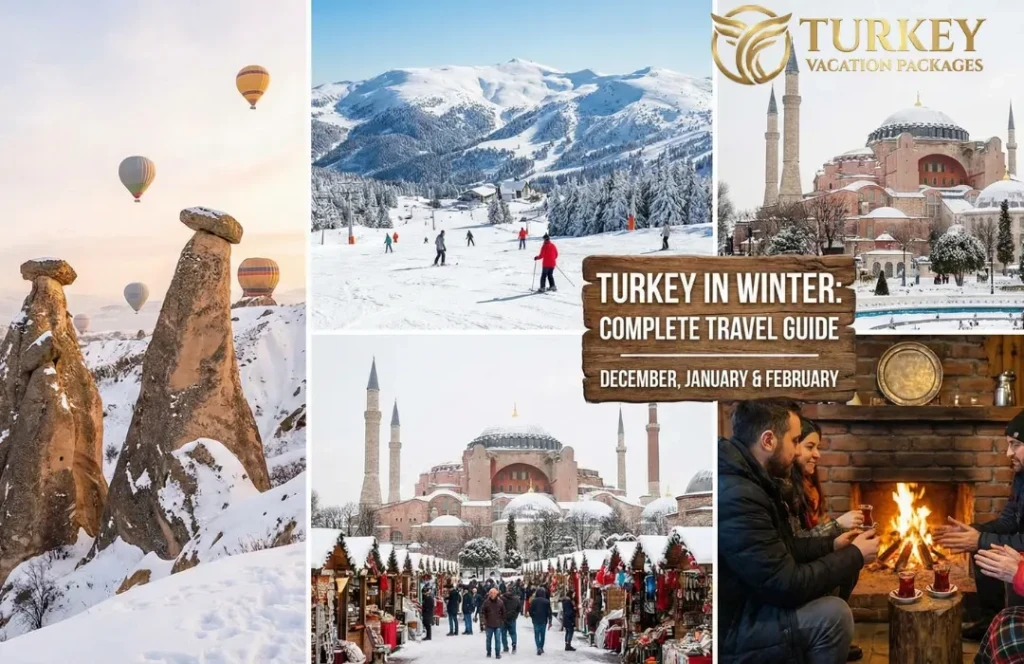
Most travelers picture Turkey as a summer destination—bustling bazaars under blazing sun, crowded beaches along the Mediterranean. But here's what the guidebooks won't tell you: Turkey in winter might actually be the
Best time to visit Turkey.
I've spent seven winters organizing tours across Turkey, and I'm constantly surprised by how many visitors discover that December through February offers something special. The crowds thin out, prices drop significantly, and you get to experience a side of Turkey that most tourists never see.
Why Visit Turkey in Winter?
Lower Prices & Fewer Crowds
Winter prices in Turkey are roughly 40-60% lower than peak season. That luxury hotel in Istanbul's Sultanahmet district that costs $300 in July? You'll find it for $120 in January. Hot air balloon rides in Cappadocia drop from €250 to around €150-180.
But the real luxury isn't the savings—it's the space. I remember taking a group through Hagia Sophia last February. We practically had the entire nave to ourselves for photos. Try that in August when you're shuffling shoulder-to-shoulder with cruise ship groups.
Unique Winter Experiences
Snow-dusted fairy chimneys in Cappadocia. Steam rising from Pamukkale's travertines against a crisp blue sky. Istanbul's domes and minarets frosted white after a December snowfall. These aren't just Instagram moments—they're genuinely different experiences that summer visitors never get.
Experience Cappadocia's winter wonderland with snow-covered fairy chimneys and a landscape straight out of a fantasy novel. And floating over those white valleys in a hot air balloon? That's not something you can replicate in summer.
Mild Mediterranean Climate
Here's the secret that keeps Turkey viable year-round: it's huge and geographically diverse. While Istanbul and Cappadocia get cold (0-5°C), the Mediterranean coast stays mild. Antalya in January averages 15°C (59°F)—that's better than most of Europe and perfectly comfortable for sightseeing.
This means you can actually design winter itineraries that mix snowy experiences with mild coastal weather. Start in Istanbul, fly to Cappadocia for the winter wonderland, then head south to Antalya for warmer days.
Best Places to Visit in Turkey in Winter
Istanbul in Winter
Istanbul during the winter months offers a magical atmosphere that summer visitors miss entirely. Yes, it gets cold—temperatures hover between 3-9°C (37-48°F)—but the city comes alive in a completely different way.
The tourist sites become manageable again. You can actually appreciate the Basilica Cistern's eerie columns without being jostled by tour groups. The Grand Bazaar, while still busy, has breathing room.
Winter is also when Istanbul becomes deeply Turkish again. Visit a traditional hammam, and you'll find locals, not just tourists. The city's legendary cafe culture peaks when everyone's seeking warmth—cozy up in a historic tea house in Sultanahmet while rain patters outside.
Pack warm layers, a good waterproof jacket, and comfortable walking shoes. December brings occasional snow (absolutely stunning but can disrupt transport), while January-February are mainly cold and rainy with breaks of bright sunshine.
Cappadocia Snow Season
Temperatures drop to -5 to 5°C (23-41°F), so you'll need proper winter gear. But here's what you get in return: hot air balloon rides over snow-covered valleys with virtually no competition for viewpoints, nearly empty underground cities where you can actually explore without crowds, and hotels with roaring fireplaces.
Balloon flights do get cancelled more frequently due to wind and snow, so build flexibility into your schedule. I always recommend at least three nights in Cappadocia during winter—gives you multiple chances for that flight if the weather doesn't cooperate.
The cave hotels become incredibly atmospheric in winter. There's something magical about sleeping in an ancient stone room with heated floors while snow falls outside.
Antalya & Mediterranean Coast
While central Turkey freezes, Antalya in winter is perfect for mild-weather escapes. Temperatures range from 10-17°C (50-63°F)—basically perfect sweater weather. You won't be swimming (unless you're brave), but you'll have ideal conditions for exploring ancient ruins and hiking without melting into puddles.
The old town (Kaleiçi) is gorgeous without summer's oppressive heat. You can walk the ancient ruins of Perge and Aspendos without seeking shade every ten minutes. Plus, the Mediterranean coast in winter has this lovely melancholy beauty—dramatic skies, powerful waves, misty mountains.
Pamukkale Winter Visit
Pamukkale in winter is spectacular for one specific reason: contrast. Those brilliant white travertines against dark winter skies create unreal photos. The thermal water stays at 35°C (95°F) year-round, so you get this surreal experience of warm water flowing over your feet while cold air nips at your face.
Crowds shrink to almost nothing. In summer, you're walking over the travertines with hundreds of other tourists. In January, you might share the terraces with just a handful of visitors.
Turkey Winter Weather by Region
Understanding regional weather differences is crucial for winter travel planning:
Istanbul & Marmara: 3-9°C (37-48°F). Expect rain, occasional snow, and wind. Best for museums, hammams, and indoor cultural sites.
Cappadocia & Central Anatolia: -5 to 5°C (23-41°F). Snow is likely, especially in January. Best for snow landscapes, cave hotels, and underground cities.
Mediterranean Coast: 10-17°C (50-63°F). Mild, some rain, occasional sunny days. Best for ruins, hiking, and coastal walks.
Aegean Coast: 8-15°C (46-59°F). Cool and rainy. Best for Ephesus, smaller ruins without crowds.
The beauty of Turkey's geography is that you can combine regions. Our 7-day Turkey winter package covers the highlights by mixing Istanbul (cold but manageable), Cappadocia (winter wonderland), and ending in Antalya (mild Mediterranean). For more time, consider our 10-day comprehensive tour that adds Pamukkale and the Aegean coast.
Winter Activities & Experiences
Hot Air Ballooning in Snow: This tops everyone's winter bucket list. Floating over snow-covered Cappadocia at sunrise is genuinely life-changing. Book through reputable companies, understand weather cancellation policies, and give yourself backup days.
Turkish Hammam Experience: Hammams go from "tourist activity" in summer to "essential cultural experience" in winter. When it's 5°C outside, and you're cold from sightseeing, being steamed, scrubbed, and massaged in a 500-year-old Ottoman bathhouse hits differently.
Winter Hiking: The Lycian Way and other coastal trails become accessible again. Summer heat makes long-distance hiking brutal; winter temperatures make it perfect.
Local Food Scenes: Winter is when Turkish food gets serious. Soups become art forms—tarhana çorbası, mercimek, İskender kebab drenched in butter. Roasted chestnuts from street vendors. Salep and Turkish tea are consumed in vast quantities.
What to Pack for a Winter Trip to Turkey
See our detailed guide on what to pack for Turkey for comprehensive lists, but here are the essentials:
- Thermal underwear for Cappadocia
- Waterproof winter coat (essential for Istanbul and Cappadocia)
- Fleece or wool sweaters
- Rain jacket for the Mediterranean region
- Waterproof boots with good traction
- Scarf, gloves, warm hat for the central regions
- Multiple pairs of warm socks
Don't overpack. Most hotels have heating, so layers are more important than bulk. And if you forget something? Turkey has excellent shopping.
Winter Turkey Itinerary Suggestions
- Days 1-3: Istanbul (museums, historical sites, food)
- Days 4-5: Cappadocia (balloon ride, valleys, underground cities)
- Days 6-7: Antalya or Pamukkale (mild weather recovery)
This hits the major highlights while accounting for weather variety. You start cold, go colder in Cappadocia, then end somewhere milder.
10-Day Comprehensive Winter Tour:
- Days 1-3: Istanbul
- Days 4-6: Cappadocia
- Day 7: Pamukkale
- Days 8-10: Ephesus and Aegean Coast
This adds more archaeological depth while maintaining good weather progression. Want to compare all seasons? Check our complete guide on the best time to visit Turkey.
Making Winter Travel Work
Here's the reality check: winter travel in Turkey requires more flexibility than summer. Weather can disrupt plans—flights get delayed by Istanbul snow, balloon rides are canceled due to wind, and road conditions in Cappadocia can get tricky.
Build buffer days into important activities. If that hot air balloon ride is non-negotiable, book three nights in Cappadocia instead of two. Choose accommodations with good heating. Browse our special winter tour packages with exclusive deals designed specifically around winter travel realities.
The Bottom Line
Turkey in winter isn't for everyone. If you want guaranteed beach weather, come back in May through October. But if you want to experience Turkey as it actually is—not the tourist-overrun summer version—winter delivers.
You'll see fewer visitors, pay less money, and experience moments that summer tourists miss entirely. That first glimpse of snow-covered fairy chimneys from your balloon. Walking through Hagia Sophia without crowds. Warming up in a traditional hammam after a cold day.
Just pack warm clothes, built-in flexibility, and be ready for the weather to occasionally mess with your plans. The tradeoffs are worth it.
Frequently Asked Questions About Turkey in Winter
Is Turkey too cold to visit in winter?
It depends on where you go. Istanbul and Cappadocia get cold (0-5°C), but the Mediterranean coast stays mild at 10-17°C. If you dress appropriately and choose accommodations with good heating, the cold is manageable. Most visitors find winter temperatures refreshing rather than miserable.
Do hot air balloons fly in Cappadocia during winter?
Yes, but with more frequent cancellations due to weather. Winter conditions mean roughly 40-50% of flights proceed on any given day, compared to 80-90% in summer. Book at least three nights in Cappadocia to give yourself multiple chances. Reputable companies will reschedule you or provide refunds for weather cancellations.
What should I pack for Turkey in December, January, or February?
Think layers: thermal base layers, warm sweaters, a waterproof winter coat, a scarf, gloves, a warm hat, and waterproof boots. If visiting Mediterranean regions, add a lighter rain jacket. You might experience 0°C in Cappadocia and 15°C in Antalya on the same trip. Don't forget thick socks.
Are Turkey's tourist attractions open in winter?
Yes, major sites remain open year-round, including Hagia Sophia, Blue Mosque, Topkapi Palace, and Cappadocia's valleys and underground cities. Some smaller museums might have reduced hours. The big advantage? These places are far less crowded. You'll actually be able to take photos and explore without battling crowds.
Is winter a good time to visit Istanbul?
Absolutely. Istanbul transforms in winter—tourist sites become manageable, prices drop, and the city reveals its authentic character. Yes, it's cold (3-9°C) and rainy, but the trade-off is experiencing Istanbul without the summer crush. Museums, hammams, and covered bazaars provide warm refuge. Pack waterproof shoes and a good coat.
Can you swim in Turkey during winter?
Not comfortably in the sea. Even the Mediterranean coast has water temperatures around 16-18°C—too cold for most swimmers. However, thermal pools in Pamukkale stay warm year-round, and many hotels have heated indoor pools.
How much does a winter trip to Turkey cost?
Winter prices are 40-60% lower than peak season. Expect to pay $80-150 per night for good hotels (versus $150-300 in summer), $150-180 for Cappadocia balloon rides (versus €250+). A week-long trip including flights, hotels, tours, and meals typically costs $1,200-2,000 per person, half of summer rates.
What's the weather like in Antalya in winter?
Antalya enjoys the mildest winter climate in Turkey with daytime temperatures around 15°C (59°F). You'll experience a mix of sunny days and rainy periods, but it's comfortable for sightseeing, hiking, and walking through ancient ruins. It's perfect for visitors who want winter travel without the harsh cold.
Should I book tours in advance for winter travel?
Major activities like hot air balloon rides should be booked ahead—companies fill up even in winter. Hotels in popular areas also deserve advance booking. However, day tours, restaurants, and transportation rarely sell out. I recommend booking key experiences ahead of time while leaving room for spontaneous decisions based on the weather.
What are the best winter destinations in Turkey for first-time visitors?
Stick to the classic triangle: Istanbul for culture and history,
Cappadocia for its unique landscapes and balloon rides, and either Antalya or
Pamukkale for milder weather. This combination gives you diverse experiences
while managing weather variety. You'll see Turkey's highlights without dealing
with summer crowds.