
 English
 Русский
 Español
 Français
 Deutsch
 Italiano
 Português
What Is the Local Currency in Turkey and How Do I Get It?

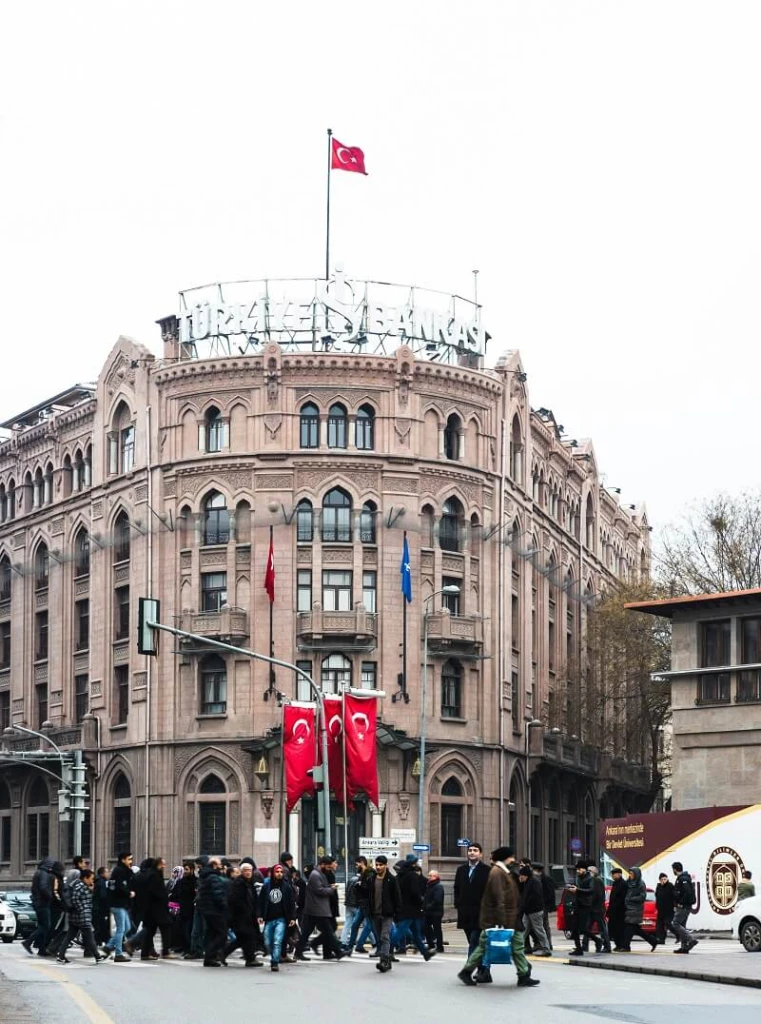
When you plan a trip to Turkey, one of the first practical questions travelers ask is: “What is the local currency in Turkey, and how do I get it?” Understanding the currency, exchange rates, and options for obtaining money is essential for a smooth and enjoyable trip. Turkey is a country rich in history, culture, and natural beauty, and if you know how to handle money properly? You can make your travel experience stress-free and enjoyable.
In this blog, we’ll cover everything you need to know about the local currency in Turkey. Where to exchange money, using credit and debit cards, and tips to manage your finances while traveling.
What Is the Local Currency in Turkey?
The official currency of Turkey is the Turkish Lira, abbreviated as TRY.
Overview of Turkish Lira
- Currency Code: TRY
- Symbol: ₺
- Subunit: 1 Lira = 100 Kurus
- Common Banknotes: 5, 10, 20, 50, 100, 200 TRY
- Common Coins: 1, 5, 10, 25, 50 Kurus, 1 Lira
The Turkish Lira is used across all regions of Turkey, from Istanbul to Cappadocia to Antalya. While some tourist areas accept Euros or US Dollars, such as Large international hotels, High-end shops, most local shops, markets, and restaurants prefer payments in Turkish Lira.
How to Get Turkish Lira
There are several ways for tourists to obtain Turkish currency while traveling:
1. Currency Exchange Offices (Döviz Bürosu)
- Found in airports, city centers, and tourist areas
- Often provide better rates than banks
- Open daily with extended hours in major cities
- Tip: Compare rates at different exchange offices to get the best value
2. ATMs
- They are widely available in cities, airports, and tourist destinations
- There are accepted international cards (Visa, Mastercard, Maestro)
- Dispense Turkish Lira directly
- Tips for using ATMs in Turkey:
- Notify your bank before traveling
- Check international fees
- Use ATMs in banks for safer transactions
3. Banks
- There are major banks like Ziraat Bank, Isbank, and Akbank that offer currency exchange
- The country provides reliable rates, but may have slightly lower rates than exchange offices
- Open during banking hours, usually 9 AM – 5 PM
4. Hotels and Resorts
- Some hotels provide currency exchange services
- Convenient but may charge higher fees
- Recommended only for small amounts
Using Credit and Debit Cards in Turkey
While having cash is essential, the cards are widely accepted in Turkey, especially in cities and tourist areas.
Types of Cards Accepted
- Visa and Mastercard are most commonly accepted
- American Express is less common but still accepted at large hotels and international restaurants
- Contactless payments are available in some places
Tips for Using Cards
- Inform your bank of your travel plans to prevent card blocks
- Always check for foreign transaction fees
- Have cash on hand for markets, small shops, or rural areas
- Some places may prefer Turkish Lira, so check before paying in foreign currency
Currency Tips for Travelers in Turkey
1. Check the Exchange Rate
- Turkish Lira rates can fluctuate
- There are many reliable apps or websites to monitor rates
2. Carry Small Denominations
- There are 5, 10, and 20 TRY notes are helpful for tips, small shops, and public transport
- There are coins are useful for taxis, buses, and vending machines
3. Avoid Airport Exchanges for Large Amounts
- Airport exchange offices are convenient but usually charge higher rates
- Withdraw only a small amount upon arrival if necessary
4. Use ATMs in Banks for Safety
- ATM locations in banks are safer and more reliable
- Avoid standalone ATMs in poorly lit areas
5. Have a Mix of Cash and Card
- Some remote areas or traditional markets may not accept cards
- Major cities and tourist destinations accept both
Using Turkish Lira for Different Expenses
1. Accommodation
- They have the best hotels, hostels, boutique hotels, and resorts, which typically accept both cash and cards
- Some smaller guesthouses may prefer cash payments
2. Food and Restaurants
- Street food vendors may only accept cash
- Restaurants in tourist areas often accept cards, but check before ordering
- Tips are usually given in cash (5–10% of the bill)
3. Transportation
- Public buses, metros, and ferries accept İstanbulkart or similar transit cards
- Taxis accept cash; some accept card payments, but confirm before starting your ride
- Domestic flights and train tickets can be paid for online with a card
4. Shopping and Souvenirs
- Small bazaars and local shops often prefer cash
- Larger stores, malls, and supermarkets accept credit/debit cards
Safety Tips When Handling Money in Turkey
1. Avoid Carrying Large Amounts of Cash
o Use cards when possible
o Keep smaller denominations in your wallet for daily expenses
2. Use Hotel Safes
o Store passports, extra cash, and valuables in hotel safes
3. Be Careful in Crowded Areas
o Istanbul, Antalya, and Cappadocia are busy with tourists
o Pickpocketing can occur, so stay alert
4. Check Your Notes
o Turkish Lira notes have security features
o Avoid accepting damaged or fake notes
Summary
Knowing the local currency in Turkey and how to obtain it is essential for any traveler. The Turkish Lira (TRY) is the official currency, used across cities, towns, and tourist destinations. While cash is necessary, especially in markets and rural areas, credit and debit cards are widely accepted in cities and tourist areas.
Travelers can get Turkish Lira through:
- Currency exchange offices (Döviz Bürosu) – good rates and convenience
- ATMs – widely available and dispense local currency
- Banks – reliable but slightly lower rates
- Hotels – convenient for small amounts, but higher fees
Tips for managing money in Turkey:
- carry small denominations and a mix of cash and cards
- Use ATMs in banks and check for exchange rates
- Avoid airport exchanges for large amounts
- Stay aware of safety when handling money
With proper planning and understanding of Turkey money exchange, your trip can be smooth, secure, and enjoyable. Whether you are visiting Istanbul, Cappadocia,